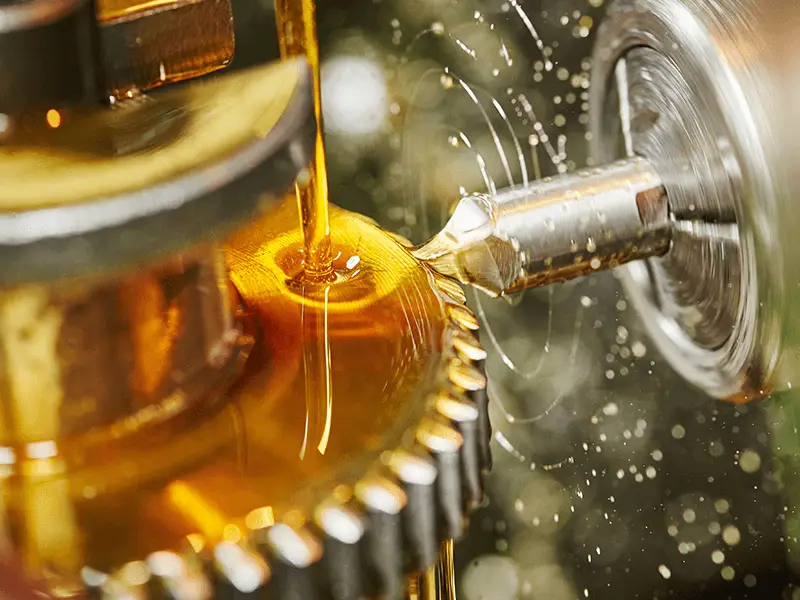
Heavy machinery operates under intense pressure, constant motion, and exposure to challenging environments. Over time, bolts seize, joints stiffen, and metal surfaces corrode. Choosing the right penetrating lubricant is a critical decision that affects maintenance efficiency, equipment longevity, and workplace safety. With many options available, understanding what truly matters can help maintenance teams make confident and effective choices.
This guide explains how to evaluate options, what performance factors to prioritize, and how Industrial penetrating oils fit into a reliable maintenance strategy for heavy machinery.
Why Penetrating Lubricants Matter in Heavy Machinery
Penetrating lubricants serve a specific purpose that differs from general lubrication. Their job is to move into tight spaces, loosen seized components, and break down corrosion that prevents movement. Heavy machinery often includes large fasteners, press-fit joints, and enclosed assemblies where corrosion forms out of sight.
Without an effective penetrating lubricant, technicians may rely on excessive force to loosen parts. This increases the risk of damaged components, extended downtime, and worker injury. Selecting the best penetrating lubricant supports smoother repairs and more predictable maintenance outcomes.
Understanding the Role of Industrial Penetrating Oils
Industrial penetrating oils are designed to seep into microscopic gaps between metal surfaces. Their low surface tension allows them to travel where thicker lubricants cannot. Once inside, they reduce friction, weaken rust bonds, and displace moisture.
In heavy machinery maintenance, these oils are most often used during inspections, repairs, and overhauls. They are not intended to replace operational lubricants but to prepare components for service and restore movement to parts affected by corrosion or contamination.
Key Factors to Consider When Choosing a Penetrating Lubricant
Penetration Capability
The most important feature of any penetrating lubricant is its ability to reach tight internal spaces. Heavy machinery components often have minimal clearances, especially in threaded connections and pinned joints.
Look for formulations known for deep penetration. A product that only coats the surface will not deliver the results needed for seized or corroded parts. The best penetrating lubricant will move quickly into restricted areas and begin working without excessive application.
Corrosion Reduction Performance
Corrosion is one of the leading causes of maintenance challenges in heavy equipment. Moisture, humidity, chemicals, and outdoor exposure accelerate rust formation.
Effective Industrial penetrating oils do more than loosen existing corrosion. They also help reduce future oxidation by coating internal metal surfaces. This added protection is especially valuable for equipment that operates in harsh or unpredictable environments.
Compatibility With Heavy Machinery Materials
Heavy machinery is built from a variety of metals and alloys. Some components may also include seals, coatings, or composite materials.
When choosing a penetrating lubricant, consider compatibility with these materials. A suitable option should work effectively on steel and iron while minimizing the risk of degrading surrounding components. Compatibility ensures consistent performance across different machinery systems.
Performance in Extreme Conditions
Heavy equipment often operates in high heat, cold temperatures, or dusty environments. A penetrating lubricant should maintain effectiveness under these conditions.
Consider how the lubricant behaves when exposed to temperature fluctuations or contamination. Products that remain stable and mobile in demanding environments provide more reliable results during maintenance tasks.
Evaluating Application and Ease of Use
Maintenance efficiency depends not only on performance but also on ease of application. Technicians often work in confined spaces or at awkward angles.
Choose a penetrating lubricant that can be applied accurately and evenly. Consistent application helps ensure penetration into the areas where it is most needed. Ease of use reduces wasted material and improves overall maintenance workflow.
Safety Considerations for Maintenance Teams
Safety is a major concern when servicing heavy machinery. Stuck components can release suddenly when force is applied, posing risks to technicians.
A penetrating lubricant that loosens parts effectively reduces the need for excessive torque or impact. This improves control during disassembly and lowers the risk of strain injuries or unexpected component movement.
It is also important to consider handling safety. Clear usage guidelines and predictable behavior during application contribute to safer maintenance practices.
The Relationship Between Penetrating Lubricants and Industrial Lubrication
Penetrating lubricants are often discussed alongside operational lubricants, but their roles are different. Penetrating oils are primarily used during maintenance to free and prepare components. Operational lubricants are used during machine operation to reduce friction and manage heat.
Industrial penetrating oils should be selected as part of a broader maintenance and lubrication strategy. When used together with appropriate operational lubricants, they support both short term repairs and long term machinery performance.
Matching the Lubricant to the Maintenance Task
Not all maintenance situations require the same approach. Choosing the best penetrating lubricant depends on the specific challenge being addressed.
For heavily corroded fasteners, deep penetration and corrosion reduction are top priorities. For components exposed to moisture, moisture displacement becomes more important. Understanding the primary issue helps narrow down the most suitable option.
Supporting Preventive Maintenance Programs
Preventive maintenance focuses on avoiding failures before they occur. Penetrating lubricants play an important role in this strategy by keeping components serviceable over time.
Applying penetrating oil during scheduled inspections helps prevent fasteners and joints from seizing. This proactive approach simplifies future maintenance and reduces the likelihood of unexpected equipment downtime.
Contribution to Predictive Maintenance Efforts
Predictive maintenance relies on monitoring equipment condition and responding to early warning signs. When inspections reveal increased resistance or corrosion, penetrating lubricants make it easier to access and evaluate affected components.
By improving disassembly and reassembly, Industrial penetrating oils support more accurate diagnostics and timely interventions. This helps maintenance teams address issues before they lead to failure.
Cost Efficiency and Long Term Value
Choosing the right penetrating lubricant has financial implications beyond the immediate repair. Faster maintenance reduces labor costs and downtime. Reduced component damage lowers replacement expenses.
Over time, consistent use of the best penetrating lubricant contributes to extended equipment life and more predictable maintenance budgets. These long term savings are especially important for operations managing large fleets of heavy machinery.
Environmental and Operational Efficiency Considerations
Modern industrial operations increasingly focus on efficiency and responsible resource use. Penetrating lubricants that require smaller quantities to achieve results support these goals.
Efficient penetration means fewer repeat applications and less wasted material. This not only improves operational efficiency but also aligns maintenance practices with broader sustainability objectives.
Common Mistakes to Avoid When Selecting a Penetrating Lubricant
One common mistake is choosing a product based solely on general lubrication needs. Penetrating lubricants have a specific function and should be selected based on penetration and corrosion reduction performance.
Another mistake is ignoring the operating environment. A lubricant that performs well in controlled settings may not be suitable for outdoor or high stress applications. Always consider real world conditions when making a selection.
Integrating the Right Choice Into Maintenance Routines
Once a suitable penetrating lubricant is chosen, proper integration into maintenance routines is essential. Establish clear guidelines for when and how it should be used.
Training maintenance teams on the correct application ensures consistent results and maximizes the benefits of Industrial penetrating oils. Clear procedures help standardize maintenance quality across different machines and locations.
Selecting the right penetrating lubricant for heavy machinery is a strategic decision that affects safety, efficiency, and equipment longevity. The best penetrating lubricant delivers deep penetration, effective corrosion reduction, and reliable performance under demanding conditions.
By understanding the role of Industrial penetrating oils and evaluating options based on real maintenance needs, organizations can build stronger and more resilient maintenance programs. When chosen carefully and used consistently, the right penetrating lubricant becomes a valuable ally in keeping heavy machinery operating smoothly and reliably over the long term.