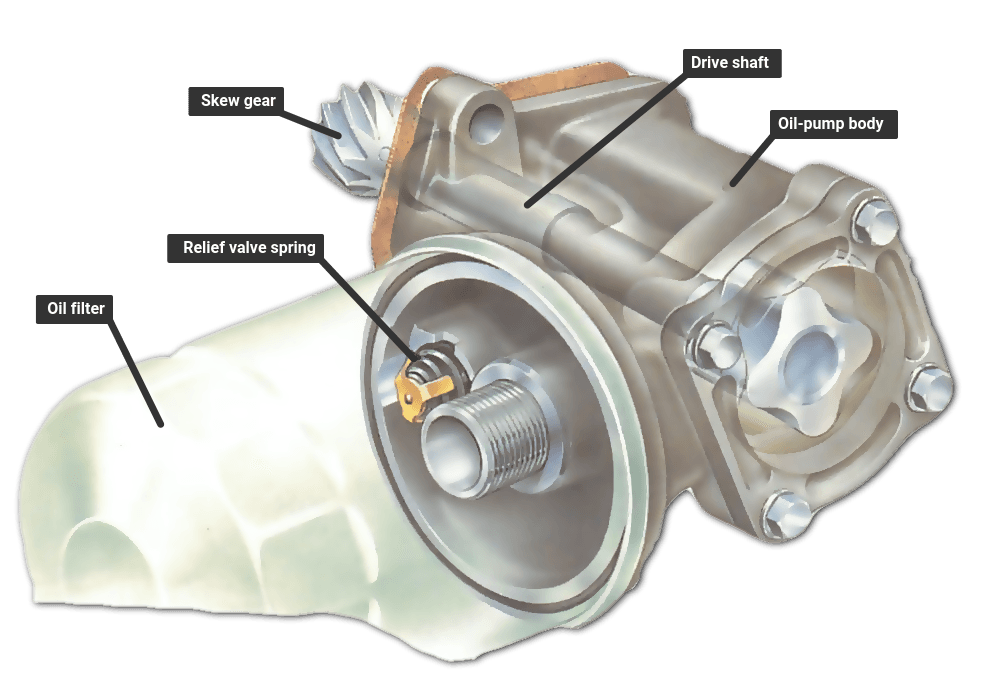
Modern machinery operates under demanding conditions where precision, durability, and efficiency are essential. Behind the scenes of every smoothly running system lies a critical yet often overlooked component that ensures longevity and optimal performance. That component is the lube oil pump. While gears, bearings, and shafts receive most of the attention, it is the consistent delivery of lubrication that truly sustains mechanical systems over time.
This article explores how lube oil pumps function, why they are indispensable in lubrication systems, and how they contribute to the efficiency and reliability of industrial equipment.
What Are Lube Oil Pumps and Why They Matter
Lube oil pumps are specialized devices designed to circulate lubricating oil throughout machinery. Their primary role is to deliver oil to moving components, creating a protective film that reduces friction, dissipates heat, and prevents wear.
Without proper lubrication, mechanical parts would experience rapid degradation due to direct metal contact. This leads to overheating, increased energy consumption, and eventual failure. Lube oil pumps ensure that lubrication reaches every critical component consistently, regardless of operating conditions.
Their importance extends across industries, including manufacturing, power generation, marine systems, and heavy equipment operations. In each of these environments, machinery reliability directly impacts productivity and operational costs.
Core Functions of Lube Oil Pumps in Lubrication Systems
The functionality of lube oil pumps goes far beyond simply moving oil from one place to another. They perform several vital tasks that contribute to a machine’s overall health.
First, they maintain a continuous oil flow to all moving parts. This ensures that friction is minimized and surfaces remain protected during operation.
Second, they help regulate temperature. As oil circulates, it absorbs heat generated by friction and carries it away from critical components. This prevents overheating and maintains stable operating conditions.
Third, they assist in contaminant removal. Oil often carries away debris such as metal particles or dust, which are then filtered out. This keeps the internal environment clean and reduces the risk of damage.
Finally, lube oil pumps contribute to system pressure control. Maintaining the right pressure ensures that oil reaches all necessary points, even in complex or high load systems.
How Lube Oil Pumps Work
At a fundamental level, lube oil pumps operate by drawing oil from a reservoir and delivering it through a network of channels and passages within the machinery. The process involves suction, compression, and discharge.
The pump creates a low pressure zone that pulls oil into the system. Once inside, the oil is pressurized and pushed through pipes or internal pathways to reach various components such as bearings, gears, and shafts.
Different types of pump mechanisms are used depending on the application. Gear based systems are common due to their reliability and ability to handle varying viscosities. Other designs may include vane or screw mechanisms, each suited to specific operational requirements.
The efficiency of this process directly affects how well the machinery performs. A well functioning pump ensures uniform lubrication, while an inefficient one can lead to uneven oil distribution and increased wear.
Types of Lube Oil Pumps Used in Industry
There are several types of lube oil pumps used in industrial applications, each designed to meet specific needs.
Gear pumps are among the most widely used. They operate by trapping oil between rotating gears and moving it through the system. These pumps are known for their simplicity, durability, and consistent flow.
Vane pumps use sliding vanes within a rotating housing to move oil. They offer smooth operation and are suitable for applications requiring moderate pressure.
Screw pumps utilize rotating screws to transport oil. They are ideal for high flow rate applications and provide quiet, vibration free performance.
Centrifugal pumps are sometimes used in large systems where high volume flow is required. However, they are generally less effective for high pressure lubrication tasks compared to positive displacement pumps.
Choosing the right type depends on factors such as system size, pressure requirements, oil viscosity, and operating conditions.
Key Components of a Lubrication System
A lubrication system consists of more than just the pump. Several interconnected components work together to ensure effective oil distribution.
The oil reservoir stores the lubricant and allows contaminants to settle before recirculation. Filters remove impurities from the oil, ensuring that only clean lubricant reaches critical components.
Piping and channels distribute the oil throughout the system. Control valves regulate flow and pressure, ensuring that each part receives the appropriate amount of lubrication.
Cooling elements may also be included to manage temperature, especially in high load environments. Together, these components create a closed loop system that maintains consistent lubrication.
At the center of this system, lube oil pumps act as the driving force, ensuring that oil flows continuously and efficiently.
Importance of Proper Pump Selection
Selecting the right lube oil pump is a critical decision that affects the overall performance and reliability of machinery. Factors such as flow rate, pressure capacity, and compatibility with the lubricant must be carefully considered.
Working with experienced oil pump manufacturers can help ensure that the selected pump meets the specific requirements of the application. These manufacturers often provide insights into system design, material compatibility, and performance optimization.
An incorrectly selected pump can lead to insufficient lubrication, excessive energy consumption, or premature wear of components. On the other hand, a well chosen pump enhances efficiency, reduces maintenance costs, and extends equipment life.
Maintenance and Performance Optimization
Even the most advanced lube oil pumps require regular maintenance to perform effectively. Routine inspection and servicing help identify potential issues before they lead to system failure.
Common maintenance practices include checking for leaks, monitoring pressure levels, and ensuring that filters are clean. Oil quality should also be regularly assessed, as degraded or contaminated oil can compromise lubrication.
Proper alignment and calibration of the pump are essential for optimal performance. Any deviation can affect flow consistency and reduce efficiency.
Implementing predictive maintenance strategies can further enhance reliability. By analyzing performance data and identifying trends, operators can address issues proactively rather than reactively.
Challenges in Lubrication Systems
Despite their importance, lubrication systems can face several challenges that impact performance.
One common issue is oil contamination. Dust, moisture, and metal particles can degrade lubricant quality and reduce its effectiveness. This highlights the importance of filtration and regular oil analysis.
Another challenge is maintaining consistent pressure and flow in complex systems. Variations can lead to uneven lubrication, increasing the risk of component wear.
Temperature control is also critical. Excessive heat can reduce oil viscosity, affecting its ability to form a protective film. Conversely, low temperatures can make oil too thick, hindering flow.
Addressing these challenges requires a combination of proper system design, high quality components, and ongoing maintenance.
The Role of Innovation in Modern Lube Oil Pumps
Advancements in technology have led to significant improvements in lube oil pump design and performance. Modern pumps are more efficient, reliable, and adaptable to changing operational demands.
Smart monitoring systems now allow real time tracking of pump performance. Sensors can detect changes in pressure, temperature, and flow, enabling immediate corrective action.
Energy efficiency has also become a key focus. New designs minimize energy consumption while maintaining optimal performance, contributing to sustainable operations.
Oil pump manufacturers continue to innovate by developing materials and designs that enhance durability and reduce maintenance requirements. These advancements are helping industries achieve higher levels of productivity and reliability.
Applications Across Industries
Lube oil pumps are used in a wide range of applications, each with unique requirements.
In manufacturing, they ensure the smooth operation of machinery such as compressors, turbines, and gear systems. In power generation, they play a crucial role in maintaining the efficiency of engines and generators.
Marine applications rely on these pumps to keep engines running under harsh conditions. Heavy equipment used in construction and mining also depends on reliable lubrication to withstand demanding workloads.
Regardless of the industry, the underlying principle remains the same. Effective lubrication is essential for maintaining performance, reducing wear, and extending equipment life.
Why Lube Oil Pumps Are Indispensable
It is easy to overlook the importance of lube oil pumps when focusing on larger or more visible components. However, their role is fundamental to the operation of any mechanical system.
By ensuring consistent lubrication, these pumps reduce friction, prevent overheating, and protect against wear. They enable machinery to operate efficiently and reliably, even under challenging conditions.
Their contribution extends beyond performance. Proper lubrication also enhances safety by reducing the risk of unexpected failures that could lead to accidents or downtime.
In many ways, lube oil pumps serve as the backbone of lubrication systems, quietly supporting the entire operation.
Understanding the role of lube oil pumps in machinery lubrication systems reveals just how critical they are to industrial performance. From maintaining consistent oil flow to regulating temperature and removing contaminants, their functions are essential for ensuring reliability and efficiency.
Choosing the right pump, maintaining it properly, and working with knowledgeable oil pump manufacturers can make a significant difference in system performance. As technology continues to evolve, these pumps are becoming even more efficient and capable, further enhancing their value in modern industry.
For any organization that relies on machinery, investing in effective lubrication systems is not optional. It is a strategic decision that directly impacts productivity, cost efficiency, and long term success.