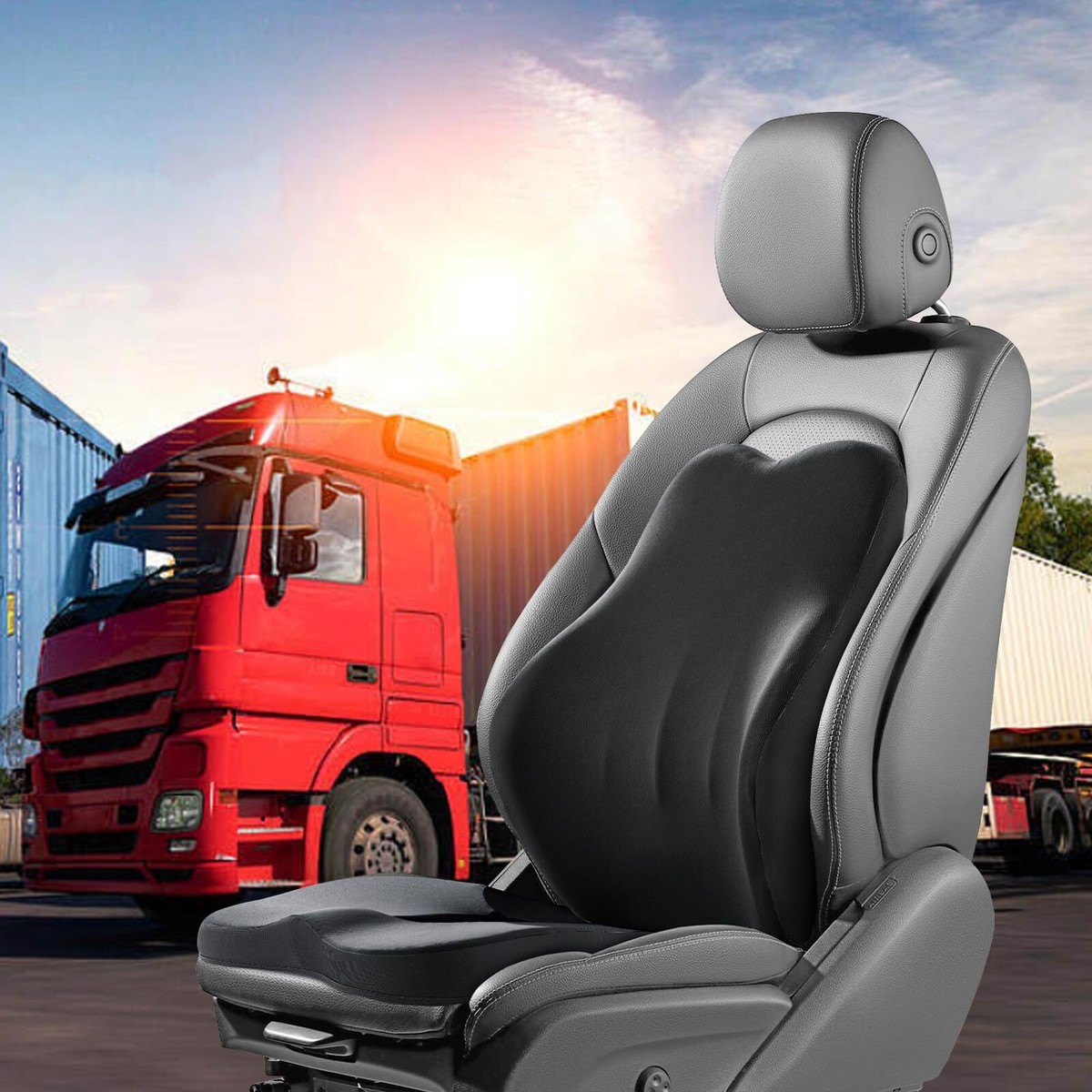
For professional drivers, the driver’s seat is the primary workspace. While the modern trucking industry has made great strides in cab comfort, the reality of spending ten to twelve hours behind the wheel remains physically demanding. The constant vibration of the road combined with a static sitting position puts immense pressure on the lumbar spine, often leading to chronic pain and fatigue. For many, a high-quality seat cushions for trucks is not just a luxury but a necessary tool to maintain health and career longevity. Selecting the right cushion requires an understanding of ergonomics, material science, and the specific needs of your own anatomy.
Understanding the Mechanics of Lumbar Support
The human spine possesses a natural inward curve at the base, known as the lumbar curve. When you sit for extended periods, especially in a seat that has begun to sag or lose its structural integrity, this curve often flattens out. This misalignment places uneven pressure on the spinal discs and strains the surrounding muscles. A proper seat cushion for a truck driver should do more than just provide a soft surface; it must provide corrective support that reinforces that natural curvature.
Effective support works by redistributing your body weight across a larger surface area. By offloading the pressure from the tailbone and the lower vertebrae, a cushion can prevent the pinching of nerves that leads to the dreaded “pins and needles” sensation in the legs. When evaluating a cushion, look for a design that offers a contoured shape specifically tailored to the lower back. This ensures that the cushion fills the gap between your spine and the seat back, allowing your muscles to relax rather than constantly working to hold your posture upright.
Evaluating Material Composition and Density
The material inside the cushion determines how it will perform over the course of a long haul. Memory foam is one of the most popular choices because it reacts to body heat and pressure to mold precisely to your shape. This provides a customized fit that can be incredibly comfortable. However, some lower-quality memory foams can trap heat, making the seat uncomfortably warm during summer months. If you opt for memory foam, look for infused cooling gels or perforated designs that promote airflow.
For drivers who require firmer support, high-density polyurethane foam or gel-reinforced cushions may be more appropriate. Gel cushions are excellent at absorbing the micro-vibrations from the truck’s engine and the road surface, which are major contributors to back fatigue. They tend to maintain their shape better over time compared to standard foam, which may bottom out after a few months of heavy use. The ideal density is a balance; it should be firm enough to provide support but resilient enough to prevent the creation of new pressure points on your hips and thighs.
Breathability and Cover Durability
The exterior of the cushion is just as important as the interior. A truck cab can experience extreme temperature fluctuations, and a cushion that does not breathe will quickly become a liability. Breathable mesh covers are generally superior for long-haul driving as they allow moisture and heat to escape, keeping the driver dry and comfortable. Additionally, because the cushion will be subjected to constant sliding and shifting as you enter and exit the cab, the cover material must be durable and abrasion-resistant.
Look for cushions with removable, washable covers. The environment of a truck cab can accumulate dust and sweat, and the ability to maintain hygiene is essential for both comfort and the lifespan of the product. Furthermore, ensure the underside of the cushion features a non-slip or rubberized surface. A cushion that slides around every time you turn a corner or adjust your seating position is not only annoying but can actually cause you to twist your back unnaturally to compensate for the movement.
Conclusion
Choosing the right truck seat cushion is an investment in your future. While it may seem like a simple accessory, the right support can be the difference between a painful shift and a productive day on the road. By focusing on high-quality materials like gel or high-density foam, ensuring the design matches your specific spinal needs, and prioritizing breathability, you can significantly reduce the physical toll of the driving profession. Remember that no single cushion works for every driver; the best way to find your perfect match is to test different densities and shapes until you find the one that allows you to maintain a neutral, relaxed posture. Your back is the foundation of your career, and giving it the support it deserves is one of the smartest moves you can make as a professional driver.